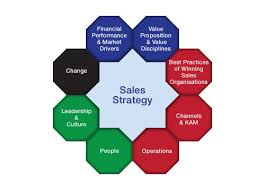
The word "strategy" comes from the Greek word for "generalship". Like a good general, strategies give overall direction for an initiative.
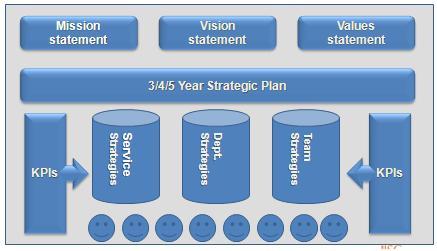
A good strategy will take into account existing barriers and resources (people, money, power, materials, etc.). It will also stay with the overall vision, mission, and objectives of the initiative. Often, an initiative will use many different strategies--providing information, enhancing support, removing barriers, providing resources, etc.--to achieve its goals.
Objectives outline the aims of an initiative--what success would look like in achieving the vision and mission. By contrast, strategies suggest paths to take (and how to move along) on the road to success. That is, strategies help you determine how you will realize your vision and objectives through the nitty-gritty world of action.
Developing strategies is really a way to focus your efforts and figure out how you're going to get things done. By doing so, you can achieve the following advantages like taking advantage of resources and emerging opportunities, responding effectively to resistance and barriers,more efficient use of time, energy, and resources
A strategy, such as enhancing experience and skill or increasing resources and opportunities, should point out the overall path without dictating a particular narrow approach (e.g., using a specific skills training program).
A good strategy takes advantage of current resources and assets, such as people's willingness to act or a tradition of self-help and community pride. It also embraces new opportunities such as an emerging public concern for neighborhood safety or parallel economic development efforts in the business community.
When initiatives set out to accomplish important things, resistance (even opposition) is inevitable. However, strategies need not provide a reason for opponents to attack the initiative. Good strategies attract allies and deter opponents.
To address the issue or problem, strategies must connect the intervention with those who it should benefit. For example, if the mission of the initiative is to get people into decent jobs, do the strategies (providing education and skills training, creating job opportunities, etc.) reach those currently unemployed?
Taken together, are strategies likely to make a difference on the mission and objectives? If the aim is to reduce a problem such as unemployment, are the strategies enough to make a difference on rates of employment? If the aim is to prevent a problem, such as substance abuse, have factors contributing to risk (and protection) been changed sufficiently to reduce use of alcohol, tobacco, and other drugs?